
What is RAG (Retrieval-Augmented Generation)? A Marketer's Guide
by Shai Belinsky9 Min.
Oct 01, 2026
In the not-so-early days of the web, “long-form” content was often equated with authority. The common belief was simple: more words meant more expertise. However, as digital consumption habits have matured, the “wall of text” has become a significant barrier to engagement rather than a sign of quality. In 2026, the shift toward modular information reflects a structural necessity as well as an aesthetic evolution.
As AI agents and LLMs move from indexing pages to extracting specific passages, the way we organize data is becoming increasingly important. To remain accessible to both human readers and search algorithms, utilizing content chunking is a helpful practice.
At its core, content chunking is the process of breaking down large blocks of information into smaller, self-contained units or “chunks.”
Here is an example of what I mean by “chunks”, compared to non-chunked content:
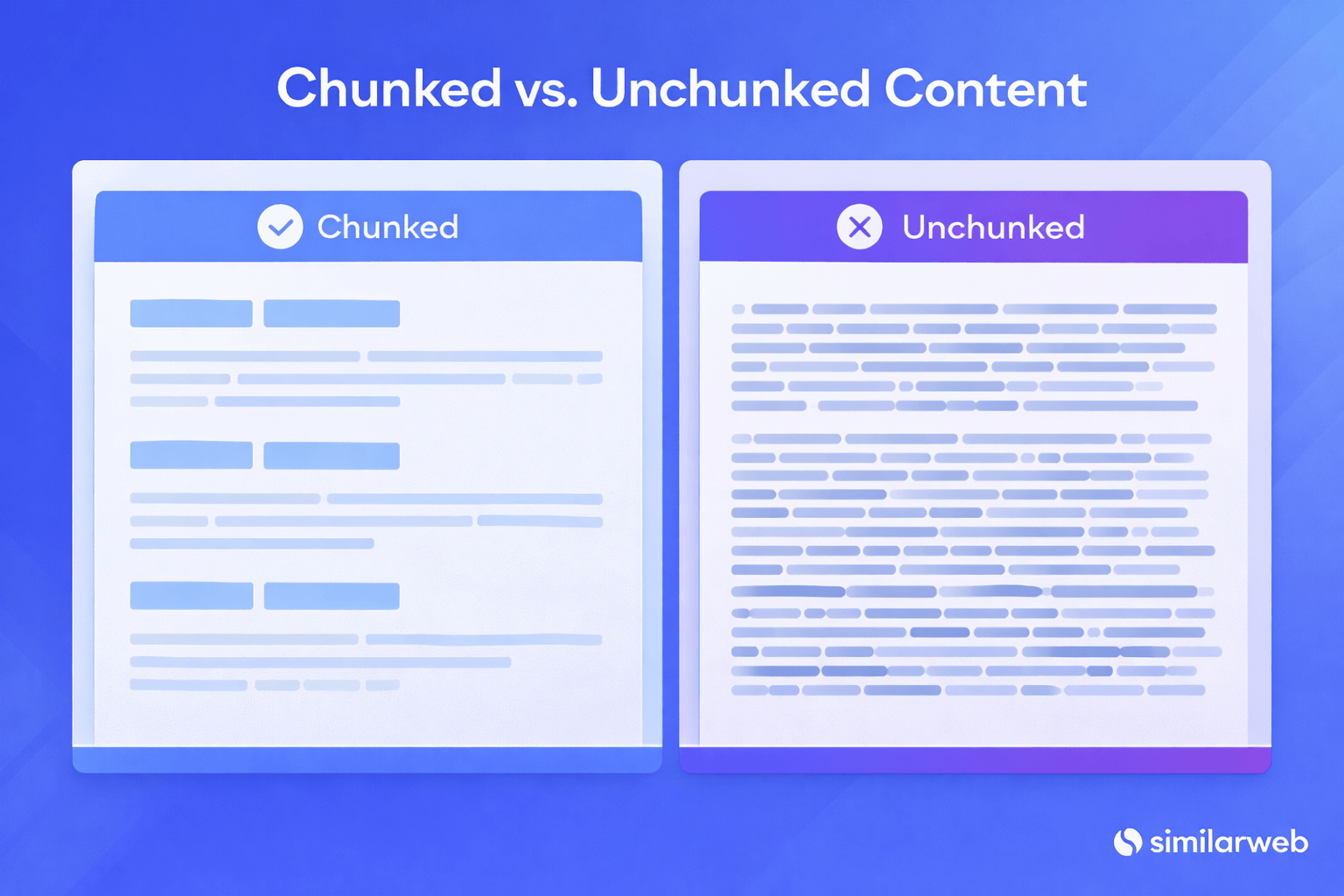
Think of it like a Lego set. Instead of one solid, immovable block of data, your content becomes a series of individual pieces that can be easily processed, rearranged, and understood. In a digital context, this involves several key formatting and structural choices:
By chunking content into digestible bites, you reduce the “cognitive load” on the reader and help AI systems process information more efficiently. Instead of forcing a human brain (or an algorithm) to work hard to filter out the main point from a dense paragraph, you serve that point directly.
I find it somewhat frustrating to see content chunking framed as a “new” trend or a secret AI tactic. Experienced creators have been doing this all along, often under the simpler label of “good writing”.
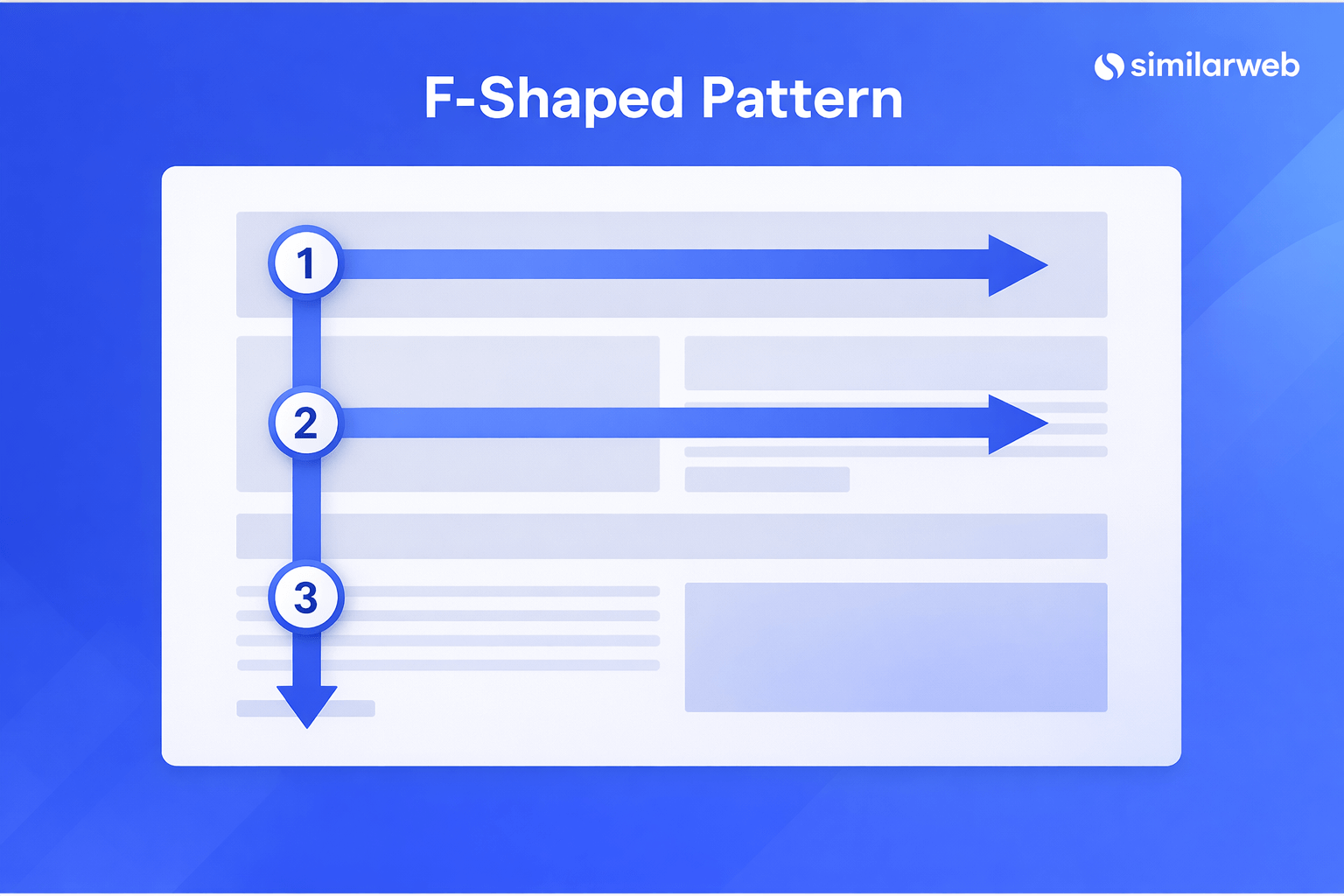
The reality is that “chunking” is a modern name for a very old set of web best practices. For decades, SEOs and UX designers have advocated for hierarchical headings (H1-H6) to guide the reader’s eye and writing for the F-Pattern, the way humans naturally scan web pages.
What has changed is how these practices are being utilized. While search engines have used H tags in their algorithms for a long time to understand content hierarchy, these markers have now also become primary signals used by AI chatbots and LLMs to parse, summarize, and cite information. We aren’t reinventing the wheel; we are simply recognizing that the same “wheel” that helped humans skim and search engines rank is now the engine that helps AI “understand” and retrieve data with higher precision.
While I’m a big believer in structure, I think there’s a danger in over-optimization.
In early 2026, Google’s Danny Sullivan addressed this directly on the Search Off the Record podcast. As reported by Search Engine Roundtable, he warned publishers against turning content into “bite-sized chunks” purely to rank well in LLMs or AI Search.
The goal should always be structure for clarity, not fragmentation for machines. If a page is divided in a way that feels unnatural to a person, it is likely over-optimized and may eventually be penalized by search systems designed to reward natural, high-quality information.
The effectiveness of chunking is rooted in Cognitive Load Theory, but it is also validated by modern AI behavior.
Research into visual scanning patterns, such as the F-Pattern and the Layer Cake pattern, shows that human readers look for “hooks”, bold text and headings, to decide if a section is worth reading.
AI retrieval follows a similar technical logic. Modern AI systems use semantic chunking strategies to break documents into vector embeddings. This process is the backbone of Retrieval-Augmented Generation (RAG), where an AI “retrieves” a specific chunk of your content to “generate” an accurate answer. When content is structured into distinct, self-contained sections, it is easier for these models to match a specific “chunk” of text to a user’s query. By organizing information into these units, you are essentially providing the AI with ready-made answers that are easier to retrieve and cite.
I’ve realized it’s a mistake to think that chunking alone is the “secret sauce.” Chunking helps AI find the info, but the substance is what gets it cited. In my work, I focus on four things:
This is the checklist I use to audit my own work for both UX and AI retrievability:
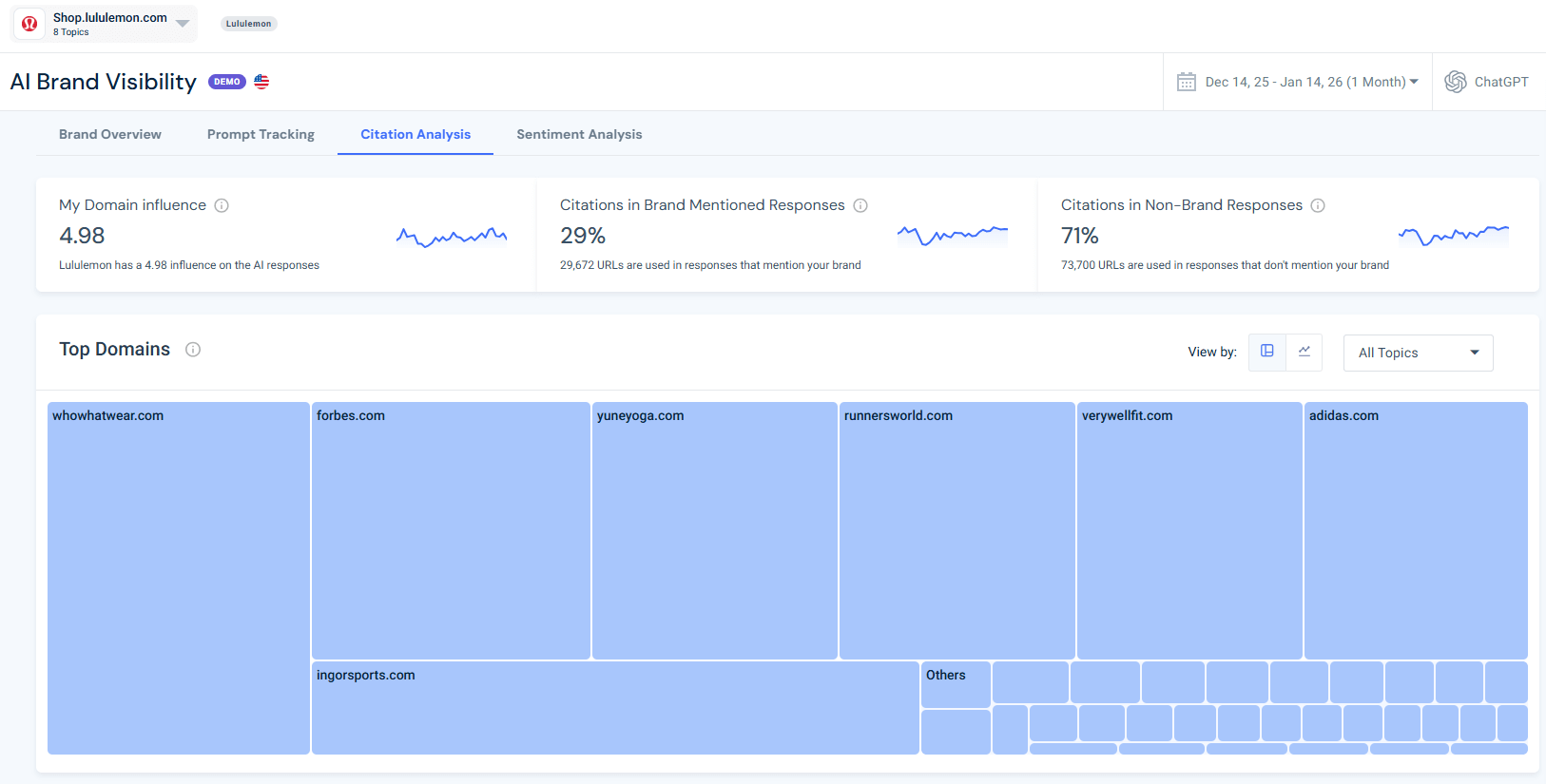
To turn these theories into a measurable strategy, I need to see how AI is actually treating my site and my competition. I rely on Similarweb’s AI Brand Visibility tool to bridge the gap between “good writing” and “verifiable visibility.”
I use the Citation Analysis tool to see exactly which sources are shaping AI answers for my industry. It’s about seeing my own domain as well as understanding the influence score of different URLs.
I use the Prompt Analysis tool to see the actual questions users are asking ChatGPT within my tracked topics. This is where the strategy gets practical:
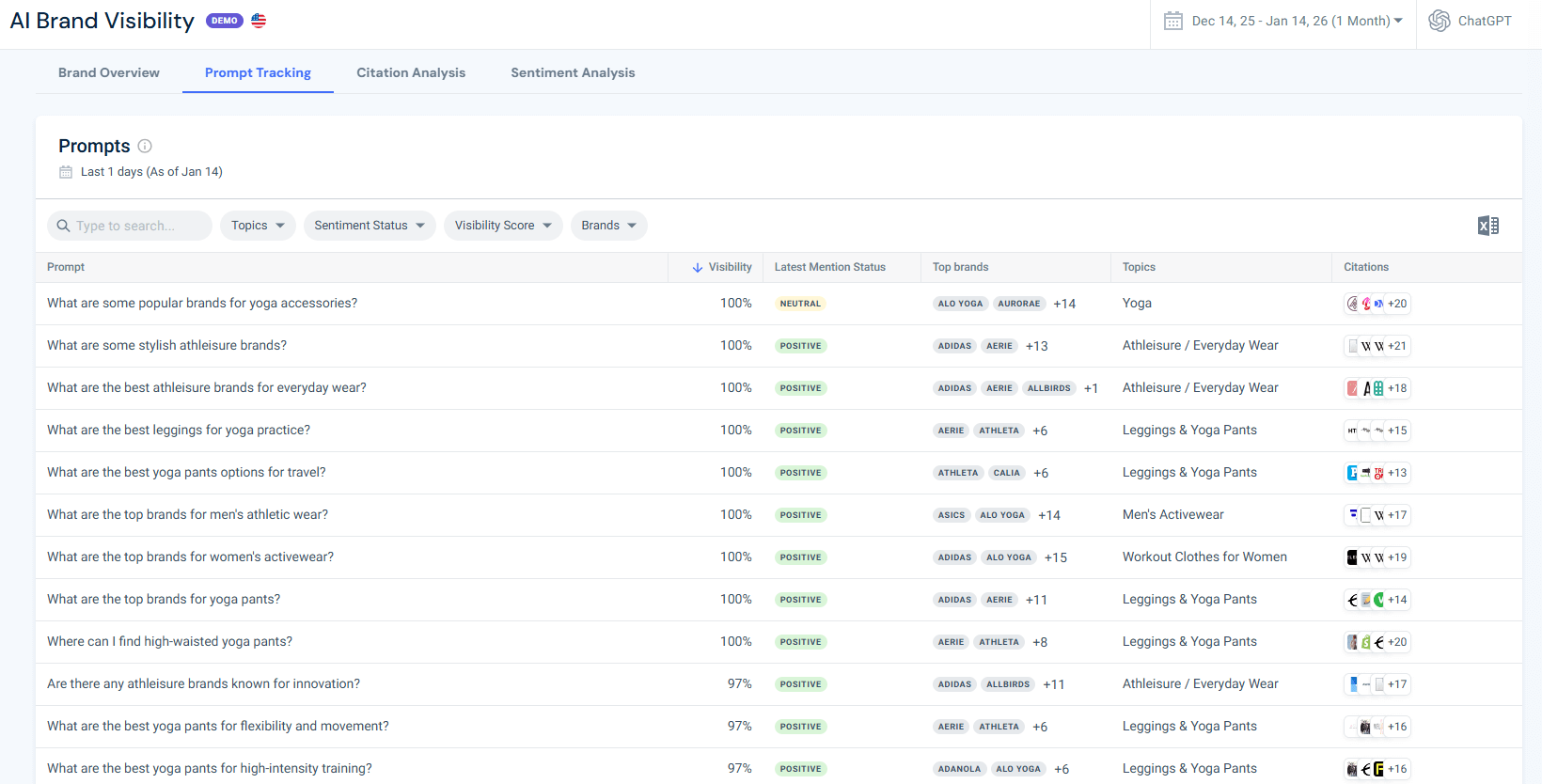
To me, content chunking is the bridge between human readability and AI retrievability. While the terminology might keep changing, from UX to AEO to RAG, my core mission remains the same: making information accessible, and then Google rankings and visibility on AI will follow.
I believe the most successful creators will be those who provide high-quality substance in a modular, human-centric format. Structure is just as important as substance, but I will never sacrifice the human experience for an algorithm.
Ready to see how your brand stacks up? Get started with a free trial of Similarweb’s AI Search Intelligence platform today to monitor your AI visibility and stay ahead of the competition.
Should I rewrite my high-performing old articles into chunks?
I wouldn’t do a mass rewrite. Instead, I use a tool like Similarweb to see which of my top pages are losing visibility in AI answers. Those are the ones I update. I start by adding an FAQ block at the bottom and breaking up the densest paragraphs.
Can I over-chunk my content?
Yes. If every single sentence is its own paragraph or a bullet point, you lose the narrative flow and the “glue” that holds your expertise together. I make sure my chunks still follow a logical sequence so that a reader, or an AI, understands the relationship between the different parts.
How long should a “chunk” be in terms of character count?
While there is no hard rule, AI engineers often find that chunks between 300 and 500 words work best for retrieval. However, from my perspective, you shouldn’t write to a character count. Write until the specific idea or answer is complete. If it’s too long, add a subheading to create a new semantic boundary.
Senior SEO Specialist
Shai, with 10+ years in SEO, holds a Bachelor’s and an MBA. He enjoys TV shows, anime, movies, music, and cooking.
Give it a try or talk to our insights team — don’t worry, it’s free!